Does marketing automation really have a place?


Does marketing automation really have a place?
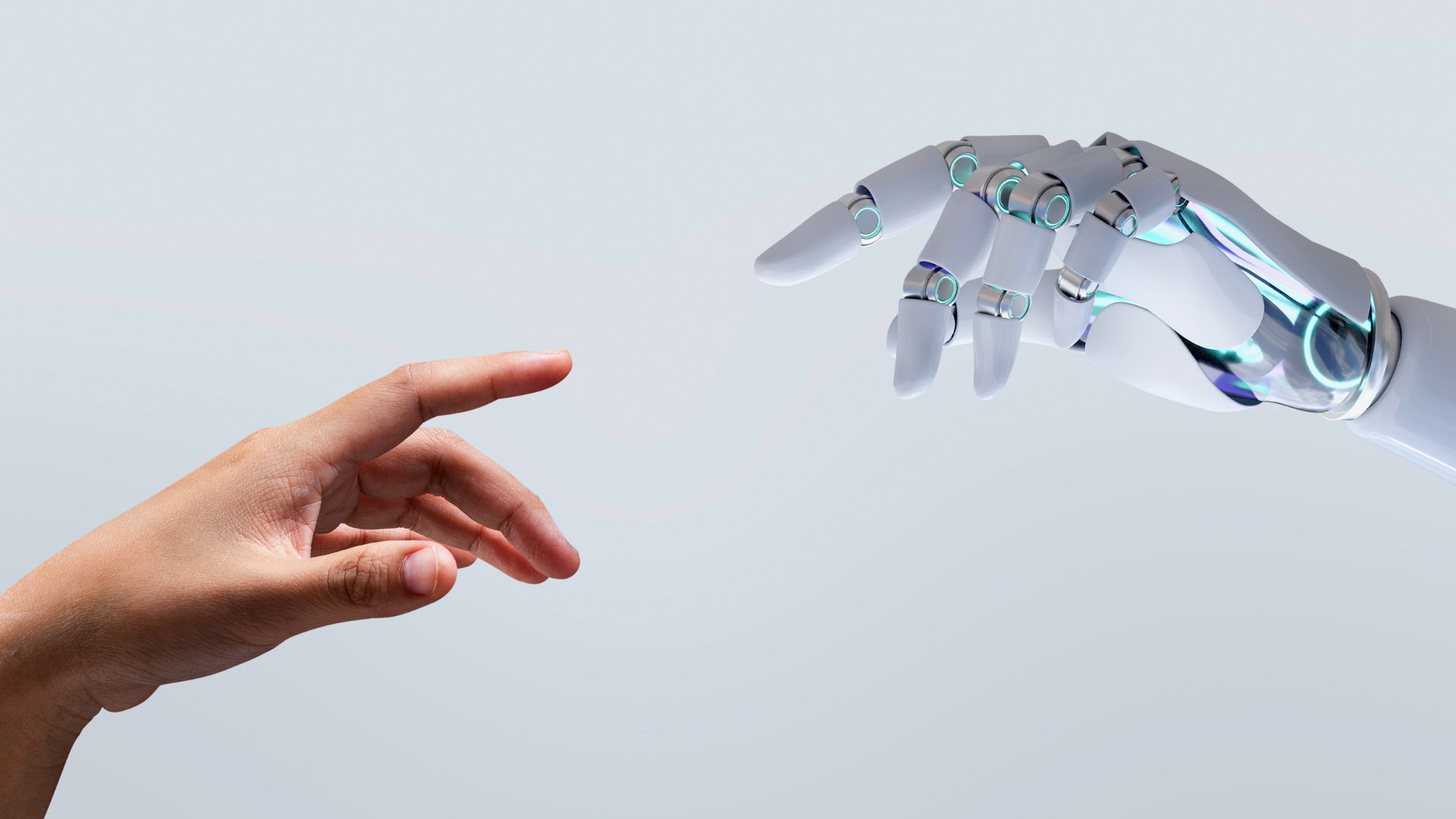
For a long time, science fiction movies made us dream. Whether Blade Runner, Robocop or Tron, all shared the same common denominator: innovation. This idea that the future was going to be disrupted, transformed, amplified by technologies and automations that seemed to come straight out of the human imagination.
I remember how fascinated I was by intelligent systems such as flying cars, hologram calls, and voice interfaces. However, I had never really asked myself the question, even though it is currently at the heart of discussions, what if automation ends up replacing humans? In marketing, this thinking is becoming more and more important and here is my perspective on the subject.
Working with AI, not for AI
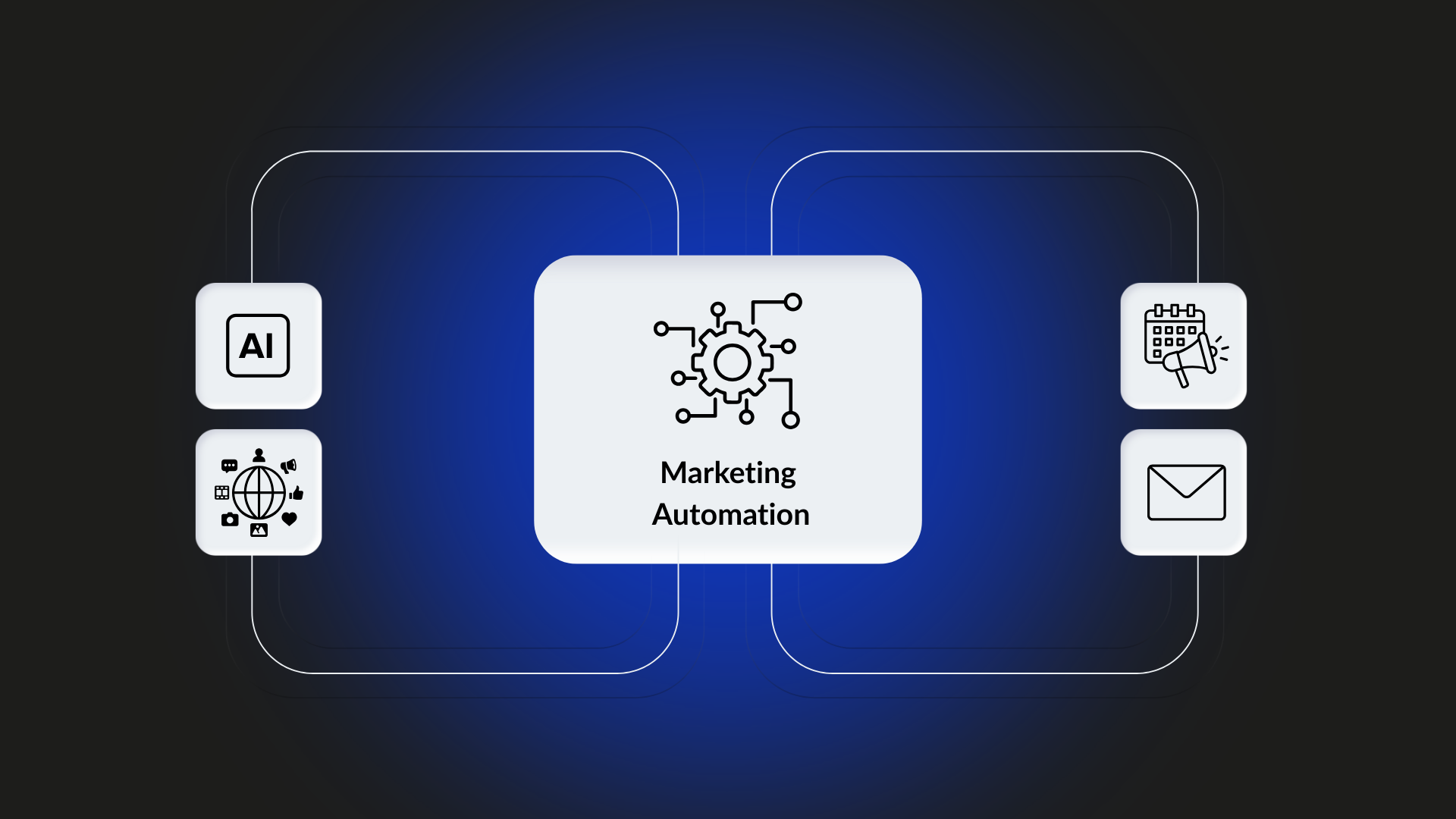
Unless you live in a cave or still transmit your ideas by homing pigeon, artificial intelligence has become part of our daily professional life. In my opinion, it has even become a brilliant way of moving forward tasks that previously required time, rigor and sometimes even a certain amount of operational complexity.
But where the dilemma lies is in this fuzzy line, to what extent can AI replace humans in its creative capacity?
We can already see it all around us. Some events also caused a stir, including the Quebec Summer Festival poster designed by artificial intelligence, or the visuals of the Grands Feux Loto-Québec. A daring bet on technology? No doubt. But these examples show that the limit of AI is not only technical, it is also deeply ethical, emotional, and creative.
And conscience in all of this?
Since Descartes and his famous “I think, therefore I am”, we know that consciousness plays a fundamental role in our actions. In marketing, this awareness takes on a very particular form, including that of nuance, empathy and the human perspective on a message.
Marketing automation can easily homogenize, smooth, and optimize. But by automating too much, there is a risk of making communications uniform, compliant, and signature-free. That's why I strongly believe in working with AI, but never letting it think for us. Humans must remain the conductor of their creativity, even if they delegate certain instruments to the machine.
Concrete examples
Fortunately, many businesses are now using AI to accelerate without erasing the human. Here are a few concrete examples:
- HubSpot allows you to create automated email sequences from well-targeted segments, while leaving it up to the human to adapt the tone and key messages.
- HubSpot Context Remix allows you to group different pieces of content and generate concrete ideas using AI. This is a good starting point to start thinking, but the marketer's touch remains essential to validate, adapt and improve the content offered.
- Tools like Jasper AI Or Writesonic help marketers generate initial content drafts, but it's the human who keeps control of the angle, emotion, and brand voice.
- The campaigns of Lead Nurturing Automated systems can work in the background thanks to AI scenarios, but require human strategic thinking to keep each touchpoint relevant.
Innovation does not happen by replacing, but by collaborating. And in this collaboration, marketing has everything to gain.
The nuances to keep in mind
AI is a great tool, but it's never completely neutral. What it generates depends on what is provided to it such as data, intentions, prompts, and context. It is therefore essential to keep a critical eye. Content can seem convincing, while lacking coherence, strategy, or even conveying biases.
And above all, no artificial intelligence can replace:
- The creative intuition that turns a banal idea into an original concept.
- The ability to get out of the box and imagine what doesn't yet exist.
- The real emotion conveyed by a well-told story.
- Strategic understanding of a complex business context.
- The human connection, essential to create an authentic message.
The real value is found in the collaboration between the technological tool and the human spirit.
Conclusion
Marketing automation isn't a threat, it's an opportunity. But like any powerful technology, it requires a framework for thought and an ethical and creative conscience. Yes, marketing automation has its place, but it is essential to preserve the essence of human creativity behind each idea. What if, instead of talking about marketing automation, we talked about the humanization of marketing with AI as an ally and not as a substitute?
.png)