
The Power of Data

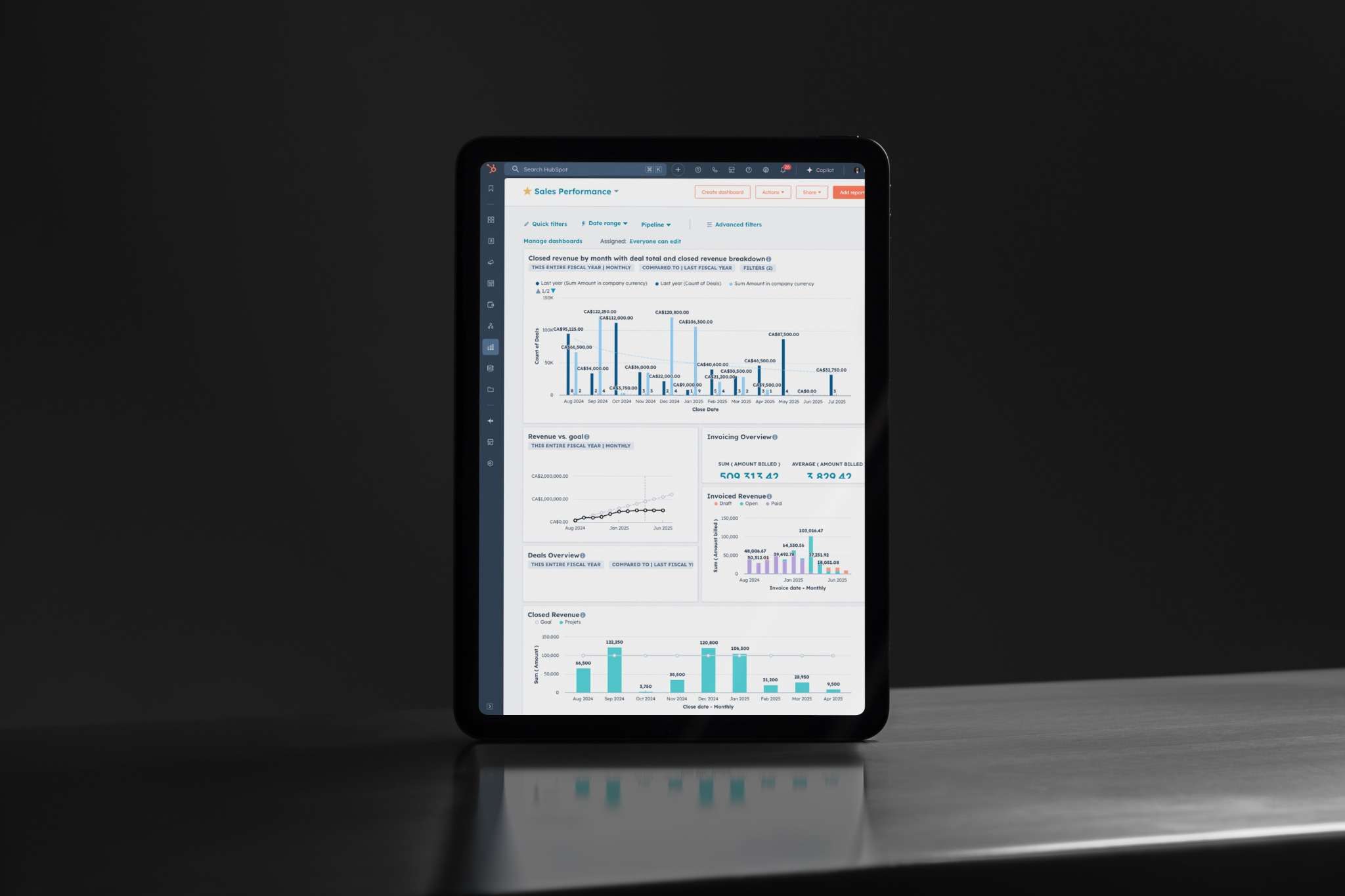

Today, businesses have access to more data than ever before. Every interaction, every sale, every campaign, and every customer behavior can be measured, analyzed, and transformed into a performance indicator.
On paper, this all seems ideal: more data should naturally lead to better decisions.
But in reality, that's not always the case.
In the new episode #37 of the podcast Expérience X.0, Anthony Lacoste and Simon Lemire discuss a topic that is affecting more and more organizations: the potential pitfalls of a culture too focused on data and KPIs.

Because by constantly trying to measure everything, many companies end up losing sight of what cannot be as easily quantified, such as judgment, human context, and strategic vision.
When KPIs become an end in themselves
Performance indicators are essential. They allow businesses to track their progress, identify opportunities, and make more informed decisions.
Indeed, the problem arises when numbers become more important than the reality they are supposed to represent. We often see this:
- teams working to boost numbers, rather than to create real value
- managers who hesitate to act because they are waiting for even more data;
- companies that multiply dashboards but lose strategic clarity.
Data can give an illusion of control. However, it never tells the whole story.
Numbers need context
A single piece of data, on its own, doesn't mean much.
A drop in sales could be due to the market, a change in customer habits, an internal issue, or simply a quieter period. Two companies might have the exact same results... but for completely different reasons.
This is where human judgment remains essential.
The best decisions don't just come from reports or dashboards. They also stem from on-the-ground experience, discussions, intuition, and the ability to understand what's truly happening behind the numbers.
The Limits of Predictive Data
With the rise of artificial intelligence and predictive tools, many organizations are now looking to anticipate behaviors and automate certain decisions. These technologies are extremely useful. However, they have a significant limitation: they primarily rely on the past. [SEG 4] Historical data helps identify trends, but it can't always predict human changes, market disruptions, or the bold decisions that transform a business.
In other words, data can support a strategic vision, but it doesn't replace it.
Finding the Balance
Being «
data-driven » doesn't mean letting data make decisions for us. The most successful organizations are often those that manage to strike a balance between analysis and human judgment. They use data to better understand their reality, without losing their ability to reflect, adapt, and gain perspective.
Because ultimately, numbers are there to support decisions, not to replace leadership.
To learn more, listen to the full podcast episode of
Expérience X.0 with Anthony Lacoste and Simon Lemire: https://youtu.be/JJv2ZtqWus8?si=UHLcw6C1nZbQaJ0o

