
Tradeshow and CRM, how to finally measure the ROI of your trade shows


Tradeshow and CRM, how to finally measure the ROI of your trade shows
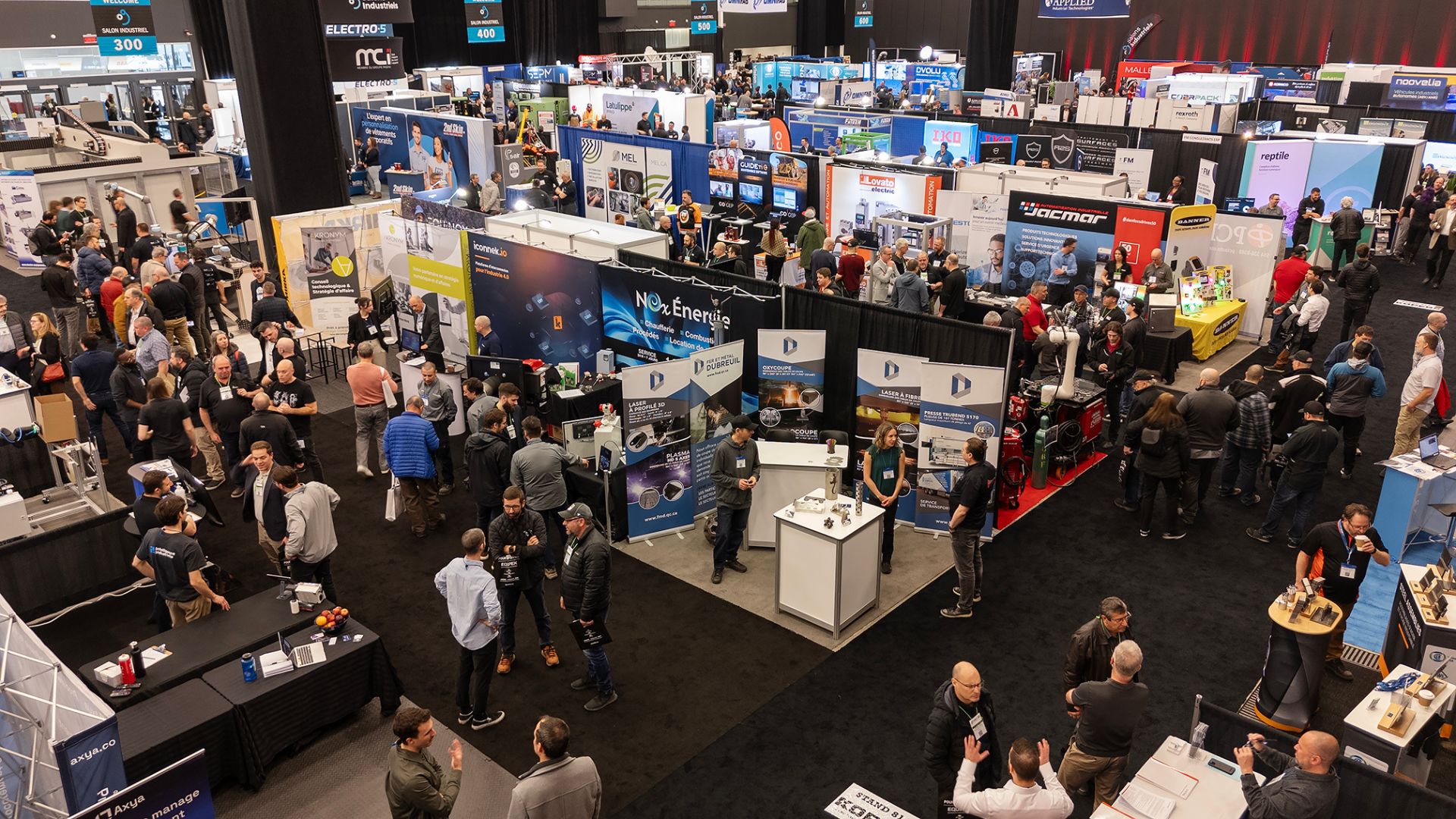
Tradeshows remain one of the most expensive marketing initiatives in B2B, especially in manufacturing.
Between the booth, the equipment, the handling, the travel and the time of the sales team, we quickly talk about tens of thousands of dollars invested in a few days.
Despite everything, a reality persists. Many businesses are unable to answer a simple question.
What was the real ROI of this show?
And even worse, many do not follow up properly after the event. Leads are piling up, but opportunities are being lost.
It's frustrating. And it's avoidable.
A very concrete example, a manufacturing company at Fabtech USA
Let's take a manufacturing company that makes custom industrial machines. She exposes to Fabtech USA, one of the largest metal processing tradeshows in North America. A 20x20 booth, depending on the equipment on display and handling fees, can easily cost over $50,000. The big question is simple. How many leads are we going to generate?
The answer depends a lot on the preparation.
Pre-show advertising, invitations sent to prospects, the attitude of the team on site, everything counts.
Does the team wait passively for visitors to pass by, or does the team engage in discussions with buyers?
When the team is proactive, the leads are there
Take the example of a motivated, committed team that is not afraid to talk. Over three days, it generates about ten to twenty leads per day. Not all of them are fully qualified, but the interest is real.
The last day is quieter, as is often the case.
In total, we end up with 50 to 60 leads.
And then the trade show ends.
The scenario that we still see all too often
The badges were scanned with the lounge app. An Excel file arrives a few days later. Some contacts are telephoned. We're sending an email. Maybe two.
After that, nothing.
Follow-ups become passive.
The opportunities are cooling.
And the $50,000 invested quickly loses value.
It's probably the worst way to run a tradeshow.
How a well-configured CRM is completely changing the approach
A well-established CRM, like HubSpot CRM, makes it possible to structure the before, during and especially the after the show.
It's not just about storing contacts.
It's about creating a real sales process.
First approach, capture leads directly at the kiosk
With a HubSpot form on iPad, the team can enter information during the discussion. The contact is created automatically in the CRM. A note related to the trade show is added. A lead is generated and ready to be worked on. The same evening, or the next day, the sales team can register the contact in a custom follow-up sequence, based on the actual discussion held at the booth.
No delay.
No omissions.
Second approach, import tradeshow scans intelligently
If you use the show's official scanner, the Excel file is not a problem in itself. The problem is what we do with it. By thoughtfully importing the file into HubSpot CRM, you can map the right fields, segment leads, and trigger appropriate follow-ups. Emails, calls, automated sequences, everything is structured. We are moving from improvised follow-up to a coherent approach.
Third approach, integrate the scanner directly into the CRM
For more advanced businesses, it's possible to buy the lounge scanner API license, for example Xpress Leads, and integrate it directly with HubSpot CRM. The fields are automatically synchronized. Workflows are triggered without manual intervention. Follow-ups are consistent from the first contact.
It's more proactive, more effective, and above all, no leads are sleeping on the table.
Measuring ROI is finally possible
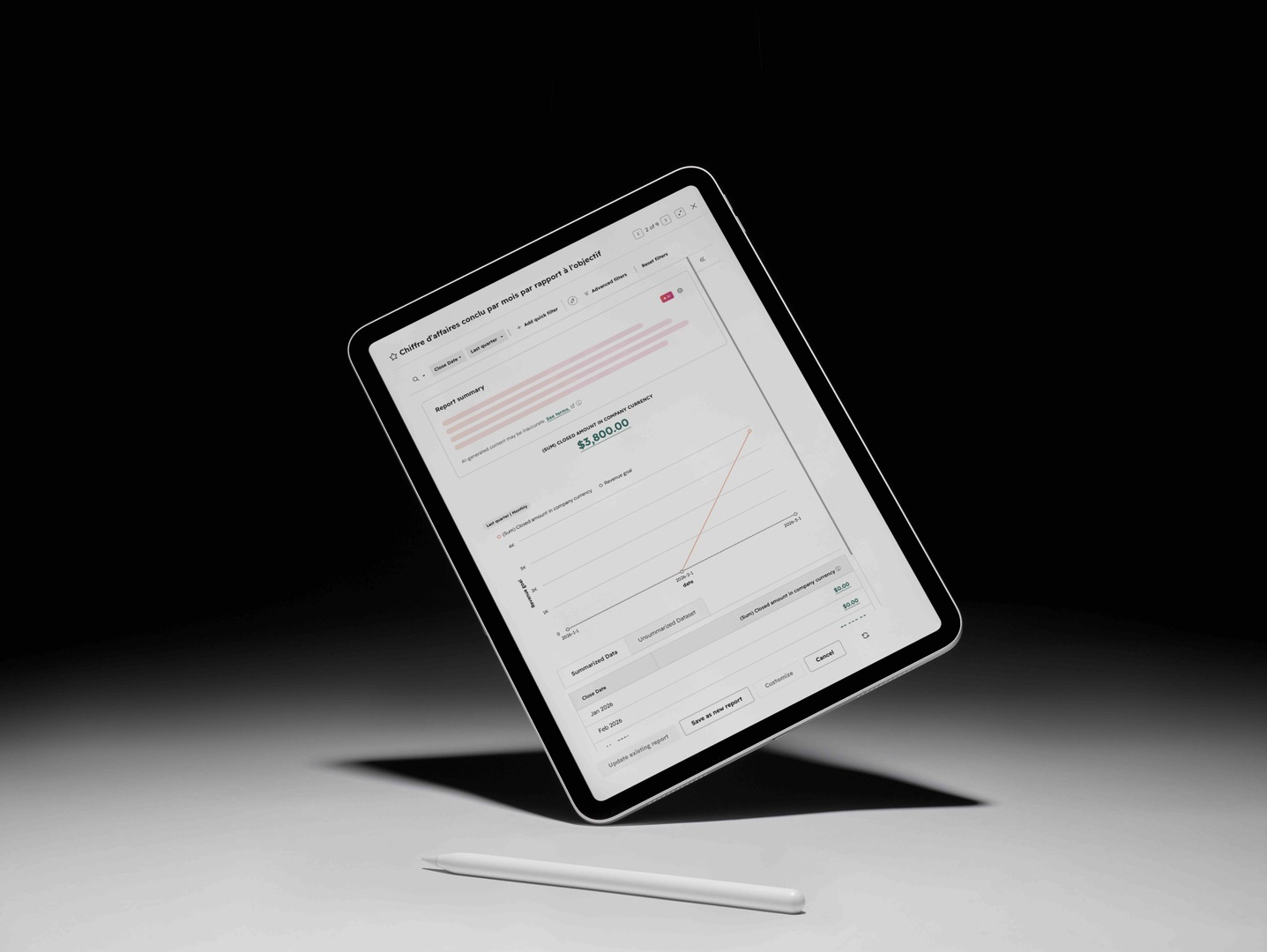
With a well-configured CRM, you can finally answer concrete questions. How many leads were generated? How many have become opportunities? How much revenue is associated with the tradeshow? And above all, are we reinvesting next year, with supporting data.
The role of the Marketing Hub and HubSpot campaigns
Another lever that is often underestimated is HubSpot Marketing Hub and the Campaigns tool. Before the tradeshow, you can announce your presence on social media, send a newsletter to your database, and schedule posts directly in HubSpot.
After the event, everything is grouped together in one place. Publications, newsletters, forms, lead imports, invested budget. You can even attribute revenue to the campaign and get an overall ROI from the tradeshow. For marketing teams, it's extremely powerful. For sales and marketing alignment, it's a game changer.
In summary, a tradeshow without CRM is an unnecessary risk
Tradeshows are not the problem. The lack of structure, monitoring and visibility is so.
A CRM like HubSpot, well-established and well-integrated, makes it possible to maximize each interaction, optimize follow-ups and make better business decisions.
This is exactly where CRM stops being a tool, and becomes a growth driver.
.jpeg)